Delving into the eerie realm of horror music, ‘Creatures of the Night: Spine-Chilling Songs About Monsters’ explores the haunting allure of tunes that tell tales of the macabre. From the psychological underpinnings of horror anthems to the cultural reflections in monstrous ballads, this article unravels the intricate relationship between music and the creatures that lurk in the shadows of our imagination. It’s a journey through the night, where each chord strikes a chord with the unknown and each lyric echoes the silent screams of the unseen.
Key Takeaways
- Horror anthems like Dark Gathering captivate with macabre ghost stories and self-aware humor, reflecting a deep-seated cultural fascination with the genre.
- Music about monsters often symbolizes the duality of horror characters, embodying the escapism of youth and the quest for purpose among timeless creatures.
- Songs tapping into our fears exploit the psychological divide between us and our inner monsters, resonating with our dread of the unknown and self-isolation.
- Silence in horror music, as highlighted by Mike Flanagan, can be more terrifying than any score, emphasizing the importance of character-driven tension.
- The evolution of horror music mirrors societal fears, with the genre continually reinventing itself to reflect the current ‘other’ that haunts the collective psyche.
Whispers in the Dark: The Allure of Horror Anthems
The Siren’s Call of Dark Gathering
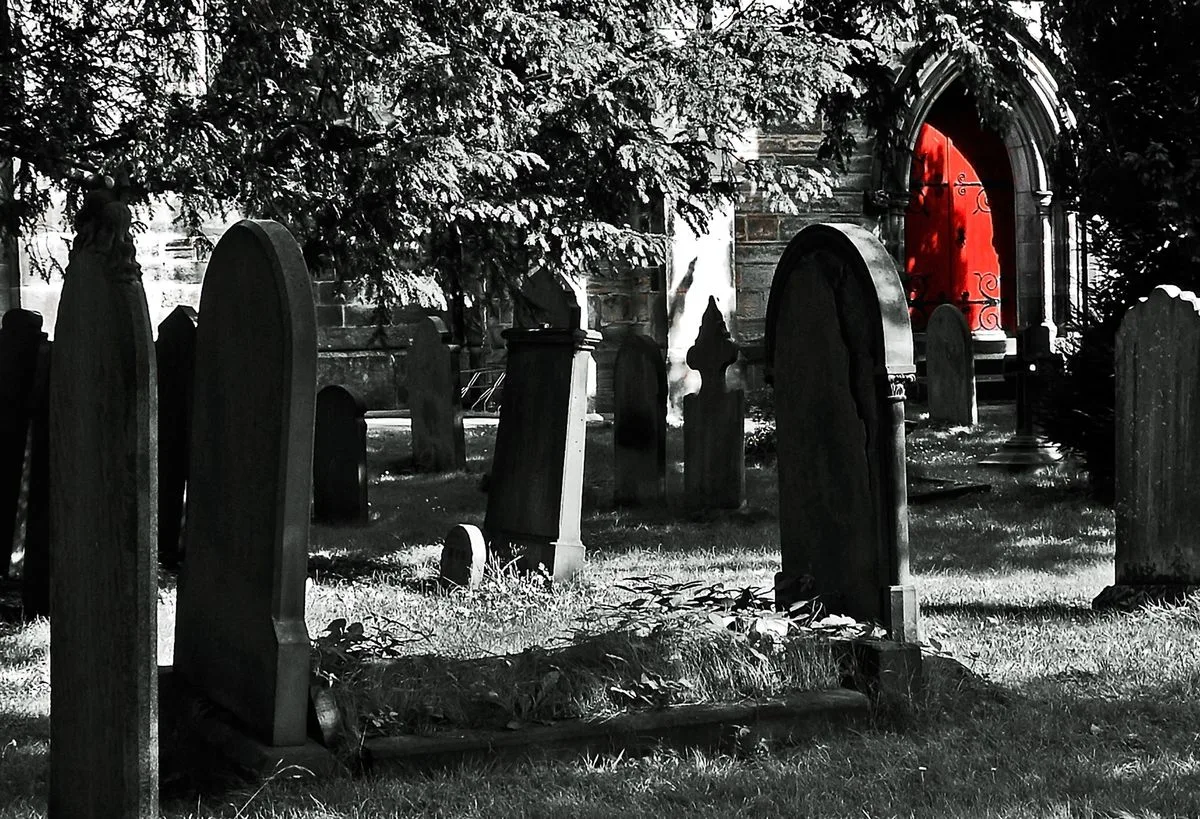
Dive into the eerie world of Dark Gathering, where the allure of the unknown beckons the brave and the curious. It’s not just about the chills and thrills; it’s a journey of self-discovery, confronting inner demons and the darkness that lurks within us all.
- The show’s cult following is a testament to its gripping narrative and the relatable struggles of its characters.
- With a killer opening theme that sticks in your mind, it’s a siren’s call that’s hard to resist.
- The blend of horror and humor adds a unique flavor to the genre, making it stand out in a sea of horror Shonen.
In the midst of the macabre, there’s a strange sense of camaraderie that forms among those who gather to share in the terror. It’s a dark gathering, indeed, but one that shines a light on our own vulnerabilities.
Whether it’s the snappy comebacks of Yayoi or the bone-chilling encounters that test the mettle of our protagonists, Dark Gathering offers a fresh take on horror that keeps us coming back for more. And let’s not forget, for those who dare to host a spooky party, a Halloween cocktail recipe called Deadly Nightshade, with bourbon, black currant juice, and grapes for garnish, might just be the perfect accompaniment to this haunting saga.
The Lure of the Unknown: Horror’s Evolving Art
The horror genre has always been a shapeshifter, adapting to the times and the unspoken fears that lurk within society’s collective mind. It’s the allure of not knowing, the thrill of the unseen that keeps us coming back for more. The best horror taps into this by leaving us with ambiguity and suspense, letting our own imaginations concoct the monsters that chase us through the dark.
- The fear of the unknown
- The psychological divide
- The evolution of horror
Horror is like a serpent, constantly shedding its skin and revealing new terrors that reflect our changing world. It’s a genre that refuses to be pinned down, always pushing the boundaries of what we consider terrifying. And as our culture and fears evolve, so too does the art of horror, ensuring that it remains a potent force in storytelling.
Horror is the future. You cannot be afraid. Push everything to the limit, or else life will be boring. People will be boring.
The Silent Scream: When Music Amplifies Terror
Imagine a scene steeped in tension, the protagonist’s breaths the only sound as they navigate a shadow-laden hallway. The absence of music is palpable, a silent scream that heightens our senses and primes us for the inevitable scare. It’s this very silence that can be more terrifying than any discordant note or sudden crescendo.
- The fear of the unknown lurks in the quiet moments.
- Anticipation builds as the score holds its breath.
- The reveal, when it comes, is all the more shocking for the silence that preceded it.
The silent scream isn’t just an absence of sound; it’s a deliberate tool that plays with our expectations, twisting the tension tighter with every silent second.
Horror isn’t always about the overt scares or the monsters that jump out at us. Sometimes, it’s the quiet dread, the slow realization that something is amiss, that truly gets under our skin. And when the music finally does break through, it’s not just a sound. It’s a release, a culmination of the terror that’s been building, unvoiced, throughout the scene.
Monsters Among Us: The Duality of Horror Characters
Escaping Reality: Youth and the Romanticization of Night
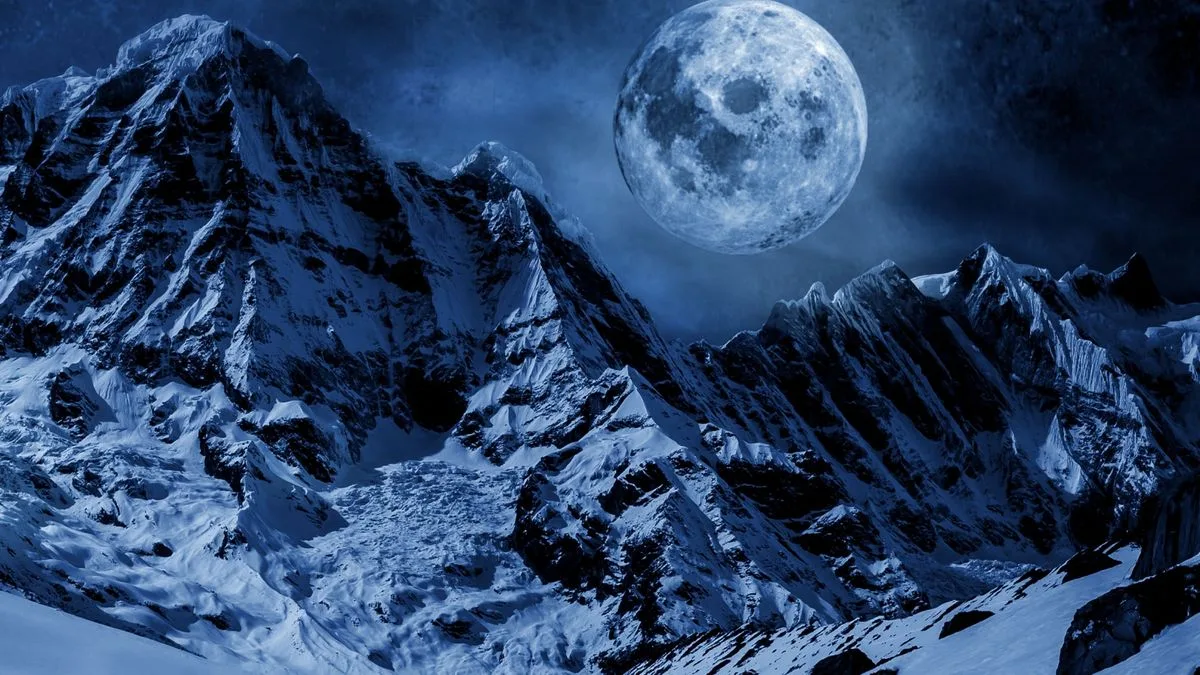
The night has always been a canvas for the youthful imagination, a time when the rules of the day blur and the allure of the unknown beckons. It’s a period of escape, where the mundane is traded for the thrill of the taboo, and the transition to adulthood is held at bay by the romanticization of darkness.
- The night sky, a tranquil backdrop to the escapades of the daring and the dreamers.
- A slow burn of coming-of-age stories, where characters seek to live in the moment.
- The intoxication of the night, a siren’s call tempting one to lose themselves.
For the bold, the daring, and all those night time owls out there, the night warmly invites you to an unforgettable evening. Just don’t fall asleep…
In the end, it’s about the passion of youth, the desire to be truly alive, and the compulsive need to understand what lies beyond. Whether it’s the fictional creatures of legend or the real-life adventurers, the night offers a chance to find meaning before the reality of loneliness and the light of day set in.
The Creature’s Quest: Seeking Purpose in the Eternal Night
In the shadows of the night, creatures of myth and legend embark on a quest not unlike our own. The search for purpose in an eternal night is a journey filled with introspection and existential wonder. Just as we, the burned-out youth, seek to escape the mundane, these beings of darkness grapple with the reality of their immortality and the loneliness it brings.
- The allure of the night beckons the adventurous, promising thrills and a reprieve from the day-to-day.
- Fictional creatures, from vampires to phantoms, seek meaning in their endless existence, mirroring our own human struggles.
- The intertwining of gothic romance and coming-of-age stories creates a rich tapestry of nocturnal escapades.
In this dance between light and shadow, the night becomes a canvas for stories of connection and isolation, where every creature, real or imagined, yearns for a place in the world.
The narrative weaves through laughter and danger, the paranormal and the awkwardness of youth, as bonds form under the moon’s watchful eye. It’s a reminder that even in the darkest hours, there’s a shared quest for belonging and understanding.
Mieruko-chan’s Conundrum: Crafting Fear Against the Norm
In the realm of horror, Mieruko-chan flips the script by presenting a protagonist who must ignore the grotesque entities that only she can perceive. This unique challenge raises several questions:
- How do you create tension when the main character’s goal is to avoid acknowledging the monsters around her?
- What makes a monster compelling if it doesn’t directly interact with its observer?
- Can fear be maintained when the story’s foundation seems to defy the genre’s conventions?
The answer lies in the art of misdirection and the strength of the protagonist’s resolve to remain unfazed. Miko’s determination to stay deadpan, despite her inner terror, becomes a central theme. However, the risk is that once the audience catches on to the pattern, the suspense may wane, leading to a potential staleness in the narrative.
Each episode cleverly disguises itself as an ordinary day, only to unveil the lurking spirits that Miko strives to ignore. It’s a dance between the seen and the unseen, the acknowledged and the denied.
Yet, without a traditional narrative arc, the question arises: what’s the point if the lead is perpetually detached from the threat? The show must then rely on the audience’s investment in the character’s journey, rather than conventional horror tropes, to keep the spine-chilling atmosphere alive.
Nocturnal Ballads: The Soundtrack to Our Fears
The Psychological Divide: Music that Taps into Our Inner Monsters
The allure of horror-themed music lies in its ability to tap into the psychological divide between our everyday selves and the primal fears that lurk within. It’s a genre that doesn’t just scare us; it resonates with the inner monsters we’re reluctant to face. Here’s why these tunes are more than just a collection of creepy sounds:
- They evoke the fear of the unknown, a universal dread that transcends culture and time.
- The melodies often mirror our own internal chaos, harmonizing with the silent screams of our psyche.
- Horror anthems serve as a backdrop to our darkest narratives, allowing us to confront our shadows safely through the art of sound.
The rhythm and energy of horror music often mirror the process of confronting our inner demons, much like how the top 10 songs about moving furniture out capture the essence of an experience.
Whether it’s the haunting whispers of a ghostly choir or the unsettling dissonance of a synth, horror music is a masterful conductor of the macabre. It’s not just about the fear it instills, but the introspective journey it beckons us to embark upon. So next time you’re listening to a spine-chilling track, remember that it might just be a reflection of the eternal night within us all.
Call of the Night: An Invitation to the Horror Enthusiasts
For those who revel in the shadows and find solace in the eerie silence of the night, the Call of the Night extends a chilling embrace. It’s not just an invitation; it’s a rite of passage for the daring and all those night time owls out there. This is where you’ll find your tribe, among the whispers and the soft rustling of the unseen.
Embrace the darkness, let it seep into your bones, and dance to the rhythm of your own heartbeat.
As you step into this macabre gathering, remember to:
- Keep your wits about you; the night is full of surprises.
- Let the music guide you, but never let it consume you.
- Share your tales of terror and triumph, for every story adds to the legacy of the night.
In a world where the ordinary can sometimes feel overwhelming, the Call of the Night offers an escape into a realm where the extraordinary is the norm. Just don’t fall asleep… because in the world of horror enthusiasts, sleep is but a distant memory.
Zom 100: The Dead’s Echo in Pop Culture
In a genre oversaturated with tales of survival and despair, Zom 100: Bucket List of the Dead offers a refreshing twist on the zombie apocalypse narrative. It’s not just about the undead; it’s about rediscovering the joy of living, even when surrounded by death.
- The story follows Akira Tendo, who finds the corporate world soul-sucking, to say the least. His mundane life is abruptly upended by a zombie outbreak, which oddly brings a new zest for life.
- Instead of the typical fight for survival, we see a pursuit of happiness and fulfillment, making ‘Zom 100’ a standout in its field.
The carefree attitude and wackiness of the series allow for a unique exploration of human connections and kindness, even in the bleakest of scenarios.
The series cleverly uses the zombie trope to comment on the grind of daily life and the importance of chasing one’s dreams. It’s a story that resonates with anyone who’s ever felt trapped by routine, offering both a critique of modern work culture and a whimsical take on the end of the world.
The Haunting Melody: How Music Shapes the Horror Narrative
The Role of Silence in Horror Music
In the realm of horror, sometimes the absence of sound can be just as unsettling as a shrieking violin. Silence isn’t just a lack of noise; it’s a canvas for the imagination. It’s where the mind races to fill the void with its own brand of terror, often more horrifying than any composed score.
- Silence sets the stage for anticipation.
- It amplifies every creak, every breath, every heartbeat.
- It’s the pregnant pause before the scream, the held breath before the reveal.
Imagine a scene where the protagonist creeps through a seemingly abandoned house. The lack of music doesn’t comfort; it heightens your senses, making you hyper-aware of the impending doom that lurks in the shadows. The silence is a character in itself, one that plays with your fears and expectations.
In the dance of horror, silence is the partner that leads. It guides the audience through a waltz of dread, where each step is uncertain and every turn could bring you face-to-face with the monster hiding in plain sight.
The power of silence in horror music lies in its ability to make us our own worst enemy. We’re not just passive listeners; we’re active participants, conjuring up the worst scenarios in the quiet before the storm.
The ‘Other’ in Horror: Reflecting Societal Fears Through Song
Horror anthems often echo the heartbeat of societal fears, with music acting as a mirror to the monsters we conjure in our collective psyche. The ‘other’—be it a creature, a ghost, or a more abstract menace—serves as a vessel for our deepest anxieties, and songs about these entities tap into that primal dread.
- The unknown that lurks in the shadows of our imagination.
- The dread of isolation, magnified by a haunting melody.
- The psychological divide that music bridges, bringing us face-to-face with our inner demons.
The allure of horror music lies not just in its ability to scare, but in its power to reflect the ever-changing tapestry of our fears. As our world evolves, so do the creatures that stalk the night in our stories and songs.
Consider the impact of music in horror films, where the absence of a sinister score can render a scene inert, or the right chord can send shivers down your spine. It’s a dance with the other, a step into the darkness where music leads the way, and we willingly follow.
Mieruko-chan and the Challenge of Subverting Horror Tropes
Mieruko-chan flips the script on traditional horror by posing a unique challenge: how to instill fear when the protagonist’s main goal is to ignore the lurking monsters. Unlike the typical horror narrative where characters confront or flee from their fears, Miko Yotsuya’s strategy is to simply not acknowledge the supernatural entities that surround her. This approach raises several questions:
- How do you create a compelling monster that doesn’t interact with the protagonist?
- Can a horror story maintain its edge if the protagonist refuses to engage with the terror?
- What happens to the suspense when the main character’s response is indifference?
The show attempts to innovate within the horror genre, but it’s worth pondering what makes a horror story truly resonate. Is it the intricate dance between good and evil, or the exploration of the human heart? Mieruko-chan’s take is certainly different, but does it hit the mark or miss the essence of what makes horror, horror?
In a landscape where horror can easily become stale, Mieruko-chan’s approach is a breath of fresh air, albeit one that may leave some viewers questioning if it’s too divergent from the genre’s roots.
Frequently Asked Questions
What makes horror anthems particularly alluring?
Horror anthems tap into the fear of the unknown and the psychological divide within ourselves, evoking a sense of dread and self-isolation that resonates with our deepest psyche. The genre’s evolution and self-awareness add to its allure, making it a mainstay in our consciousness.
How do horror characters reflect the duality of human nature?
Horror characters often embody the duality of human nature by representing both the monstrous and the misunderstood aspects of the self. They can symbolize societal fears, the ‘other,’ or internal struggles, reflecting the complexities of the human experience and our own inner monsters.
What role does music play in shaping the horror narrative?
Music is crucial in shaping the horror narrative by creating tension and atmosphere. Silence can be used effectively to heighten scares, as it allows viewers to project their own fears onto the scene. Music can also reflect societal fears and amplify the emotional impact of the horror story.
Why is the concept of ‘the other’ important in horror?
The concept of ‘the other’ is important in horror as it represents what is feared for being different or misunderstood. It often reflects the anxieties and societal fears of the time, making the genre a commentary on cultural shifts and the collective unconscious.
How does Mieruko-chan challenge conventional horror tropes?
Mieruko-chan challenges conventional horror tropes by crafting a narrative where the protagonist must ignore the monsters around her, subverting the typical engagement between the character and the fear element. This creates a unique tension and a fresh take on horror storytelling.
What message does ‘Zom 100: Bucket List of the Dead’ convey about life?
Zom 100: Bucket List of the Dead conveys a message about the importance of enacting change, being a positive influence, and the value of brightening someone’s day. It underscores the idea that helping others and being proactive can be life-saving, even amidst a zombie apocalypse.