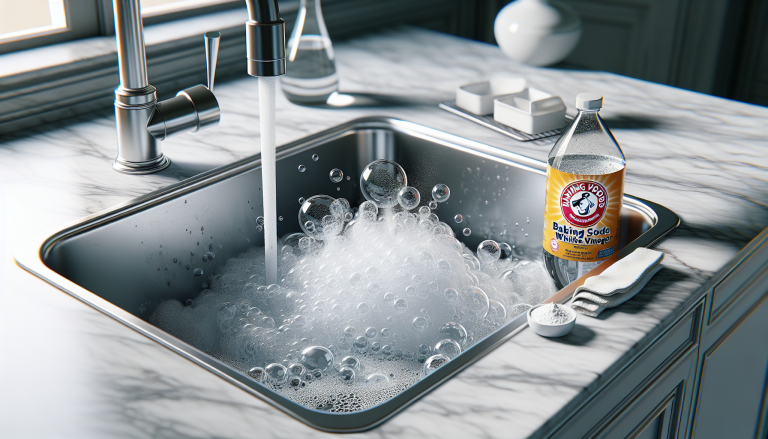
If you have sensitive skin, eczema, allergies, or young children at home, the cleaning products you use matter. Many commercial cleaners contain synthetic fragrances, preservatives, and surfactants that leave residues on surfaces — and those residues end up on skin, especially in high-contact areas like worktops, bath surrounds, and floors.
Natural cleaning products reduce the chemical load in your home. Here’s what actually works, what doesn’t, and how to clean every area of your home with ingredients that are genuinely safe for sensitive skin.
The Core Problem with Standard Cleaning Products
The two main irritants in conventional cleaning products are synthetic fragrances and certain preservatives. “Fragrance” or “parfum” on an ingredient list can represent any of hundreds of individual chemicals — many of which are known skin sensitisers. Common preservatives like methylisothiazolinone (MI) and methylchloroisothiazolinone (MCI) are among the most frequent contact allergens identified by dermatologists.
You don’t need to avoid all cleaning products, but if you or someone in your household has reactive skin, reducing exposure to these ingredients through the most-touched surfaces is practical and effective.
The Safe Natural Cleaning Toolkit
White distilled vinegar
Cuts grease, removes mineral deposits, cleans glass streak-free. Contains nothing but acetic acid and water. No fragrance, no preservatives. The slight vinegar smell disappears within minutes of drying. Safe for direct skin contact.
Baking soda (bicarbonate of soda)
Mildly abrasive, alkaline, excellent for scrubbing without scratching. Absorbs odours. Contains a single ingredient: sodium bicarbonate. As safe as a food ingredient because it is one.
Liquid castile soap
Made from plant oils (typically olive, coconut, or hemp) saponified with sodium or potassium hydroxide. No synthetic fragrances, no harsh surfactants, no preservatives. Dr. Bronner’s is the most widely available; look for unscented versions specifically. Effective as a general cleaner, dish soap, floor cleaner, and laundry booster.
Unscented washing soda (sodium carbonate)
A stronger version of baking soda — more alkaline and more effective at cutting grease and boosting laundry detergent. Available in supermarkets as Arm & Hammer Washing Soda. Like baking soda, it’s a single ingredient with no additives. Wear gloves as it’s more caustic than baking soda at high concentrations.
3% Hydrogen peroxide
A single-ingredient disinfectant that breaks down into water and oxygen, leaving no residue. Safe for most surfaces including food-contact areas. Effective against bacteria, fungi, and many viruses. The mildest effective disinfectant available.
Room-by-Room Natural Cleaning Guide for Sensitive Skin
Kitchen surfaces and worktops
Daily: wipe with a cloth dampened with water and a small drop of unscented castile soap. Weekly: spray with white vinegar and wipe dry — this cuts grease and removes residues from previous cleaning. For disinfection after raw meat preparation: spray 3% hydrogen peroxide, leave 1 minute, wipe clean.
Dishes and cookware
Unscented liquid castile soap as washing-up liquid. It creates less lather than conventional dish soap (which is mostly foaming agent), but cleans equally well. Rinse thoroughly. For the dishwasher, use an unscented dishwasher tablet — Ecover Zero and Seventh Generation Free & Clear are both fragrance-free and preservative-free.
Laundry
Choose unscented laundry detergent: Ecover Zero, Seventh Generation Free & Clear, or similar certified fragrance-free products. Avoid fabric softener entirely — it leaves a residue of fragrances and silicones on fabric that sits against skin all day. Instead, add half a cup of white vinegar to the fabric softener compartment. It softens laundry naturally and rinses out completely.
For sensitive skin specifically: an extra rinse cycle is worth running for bedding and clothing that sits directly against skin.
Bathroom surfaces
Toilet: unscented castile soap or baking soda and a brush. Clean the exterior with a cloth dampened with vinegar solution (equal parts water and vinegar). Avoid bleach-based toilet cleaners if skin sensitivity is a concern — bleach residue lingers.
Bath and sink: baking soda scrub (baking soda + small amount of castile soap, scrub, rinse) removes soap scum effectively. Descale taps with vinegar. For grout mildew, a paste of baking soda and hydrogen peroxide left for 10 minutes then scrubbed removes mould without harsh bleach fumes.
Floors
Hard floors: add a quarter cup of white vinegar and a few drops of unscented castile soap to a bucket of warm water. Mop and allow to dry — the vinegar smell disappears when dry, leaving no residue. Safe for crawling babies and pets once dry.
Carpets: sprinkle baking soda, leave 20 minutes, vacuum. This deodorises without any chemical residue on the carpet fibres.
What to Avoid
- Anything listing “fragrance” or “parfum” — this is a black box term covering hundreds of possible chemicals
- Antibacterial products containing triclosan or triclocarban — these are skin sensitisers and environmental concerns
- Conventional air fresheners — essentially synthetic fragrance delivery systems; open a window instead
- Bleach (sodium hypochlorite) on high-contact surfaces — leaves residue that can irritate sensitive skin even after rinsing; use hydrogen peroxide for disinfection instead
A Note on Essential Oils
Essential oils are often promoted as the natural alternative to synthetic fragrance. For most people this is fine. However, for those with genuinely sensitive or reactive skin, some essential oils (particularly citrus, cinnamon, clove, and lemongrass) are themselves significant allergens. If you’re cleaning for someone with eczema or contact dermatitis, leave essential oils out entirely and use unscented recipes.
Certified Brands Worth Knowing
If you prefer to buy rather than make cleaners, look for products certified by third parties:
- Ecover Zero range — fragrance-free, plant-based
- Seventh Generation Free & Clear — EPA Safer Choice certified, fragrance-free
- Method Free + Clear — fragrance-free formulations for sensitive skin
- Dr. Bronner’s Unscented Castile Soap — versatile base for DIY cleaners
Final Thoughts
Switching to natural cleaning products for sensitive skin doesn’t require dramatic changes — it’s mainly about substituting fragrance-containing products with unscented alternatives and using white vinegar, baking soda, castile soap, and hydrogen peroxide as the workhorses of your cleaning routine. These ingredients clean effectively, leave no problematic residues, and cost significantly less than most commercial products. For households with eczema, allergies, or young children, the difference in skin response can be significant.