Pet urine on carpet is a two-part problem: the stain and the odour. Most cleaning methods handle one but not the other — which is why you can scrub a spot until it looks clean, then walk in the room a week later and still smell it, especially on humid days.
This guide covers how to remove pet urine from carpet naturally, addressing both the stain and the odour at the source.
Why Pet Urine Smells So Persistent
Fresh urine has a relatively mild smell. The persistent, sharp ammonia odour develops as bacteria break down the urea in urine over time. Additionally, uric acid crystals in dried urine are extremely stable — they don’t dissolve in water and they reactivate when exposed to moisture or humidity, which is why old accidents seem to “come back” on rainy days.
This is why standard carpet cleaners and even vinegar alone don’t fully eliminate pet urine odour — they clean the surface but don’t break down the uric acid crystals in the carpet backing and underlay.
The Essential Tool: Enzymatic Cleaner
Enzymatic cleaners contain biological enzymes that break down uric acid crystals, proteins, and bacteria — the actual compounds causing the odour. They’re the only type of cleaner that fully eliminates pet urine smell rather than masking it.
Products like Nature’s Miracle, Rocco and Roxie, and Biokleen Bac-Out are widely available at pet stores and online. They’re non-toxic, safe for pets and children once dry, and effective on both fresh and old stains.
If you’re dealing with a recurring problem or multiple old stains, enzymatic cleaner is worth the investment. For a one-time accident, the natural method below works well for fresh stains.
How to Remove Fresh Pet Urine from Carpet Naturally
Step 1: Blot Up as Much Urine as Possible
Press thick layers of paper towels or old towels onto the wet spot and apply firm pressure. Stand on them if necessary. The goal is to absorb as much liquid as possible before it reaches the carpet backing and underlay — once urine soaks through to the underlay, it’s much harder to remove completely.
Replace the towels and repeat until no more moisture transfers.
Step 2: Rinse with Cold Water
Pour a small amount of cold water onto the spot to dilute remaining urine. Blot again thoroughly. Repeat once.
Step 3: Apply Baking Soda
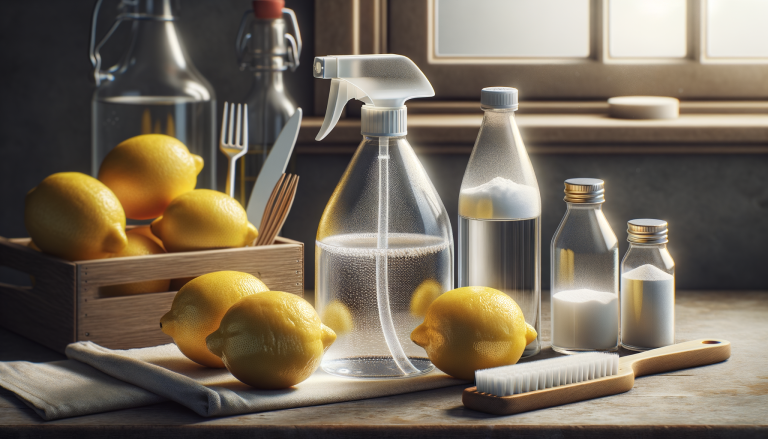
Sprinkle a generous amount of baking soda over the damp area. Baking soda absorbs residual moisture and begins neutralising the odour-causing compounds. Leave it for at least 15–20 minutes (longer is better — an hour or more if possible).
Step 4: Apply White Vinegar Solution
Mix equal parts white vinegar and water in a spray bottle. Spray the solution over the baking soda — it will fizz as the vinegar reacts with the baking soda. This reaction helps lift residue from carpet fibres. Let it sit for 5 minutes.
Step 5: Blot and Dry
Blot up the fizzing mixture thoroughly. Place dry towels over the area, weigh them down, and leave to dry completely. Once dry, vacuum up any remaining baking soda residue.
Step 6: Apply Enzymatic Cleaner (strongly recommended)
Even after the above steps, applying an enzymatic cleaner ensures complete odour elimination. Follow the product instructions — most require saturating the area, covering it, and allowing it to work for several hours or overnight. This is the step that prevents the smell from returning.
How to Remove Old, Dried Pet Urine from Carpet
Old accidents are more challenging because the uric acid crystals have fully formed and may have penetrated the backing and underlay. The natural method has limited effectiveness on very old stains — enzymatic cleaner is essential here.
Step 1: Locate All Affected Areas
Old stains aren’t always visible. Use a UV black light (ultraviolet flashlight) in a dark room — pet urine glows bright yellow-green under UV light. This often reveals multiple stains that aren’t visible in normal light.
Step 2: Dampen and Treat with Enzymatic Cleaner
Lightly dampen the old stain with water to rehydrate it. Apply enzymatic cleaner generously — use enough to saturate the same depth that the urine originally penetrated. Cover with plastic wrap or a damp towel to keep the area moist while the enzymes work (they need moisture to be active).
Leave for at least 8 hours, or overnight for severe stains.
Step 3: Blot, Rinse, and Dry
Remove the covering, blot thoroughly, rinse lightly with cold water, and blot again. Allow to dry completely with good ventilation. Repeat the full treatment if any odour remains — severe old stains may require two or three applications.
When to Call a Professional
If urine has soaked through the carpet and into the underlay and subfloor, DIY treatment may not be enough. Signs of this include persistent odour despite repeated treatment, or a large affected area from a long-term problem. Professional carpet cleaning with hot water extraction, combined with replacement of the underlay in severe cases, is the appropriate solution.
Preventing Re-soiling
Pets are attracted back to spots where they’ve previously urinated by residual scent — even when humans can’t detect it. Full enzymatic treatment breaks down the scent markers that attract pets to the same spot. This is the most important reason not to skip the enzymatic cleaner step.
Frequently Asked Questions
Is vinegar enough to remove the pet urine smell completely?
Vinegar neutralises some odour-causing compounds but does not break down uric acid crystals — the main source of the persistent ammonia smell. It works as a deodoriser for light or fresh stains but isn’t sufficient for old accidents or strong odours. Enzymatic cleaner is required for complete elimination.
Can I use bleach on carpet pet stains?
No. Bleach will discolour or destroy carpet fibres and is toxic to pets. It also doesn’t break down uric acid — it masks the smell temporarily but doesn’t address the underlying problem. Never use bleach on carpet.
My carpet smells fine but my dog keeps going back to the same spot. Why?
Dogs have a sense of smell roughly 10,000 to 100,000 times more sensitive than humans. The spot likely has residual uric acid crystals that you can’t detect but your dog can. Apply enzymatic cleaner and allow it to work overnight — this breaks down the scent markers completely.
Final Thoughts
Pet urine on carpet requires treating both the stain and the odour at the molecular level. Blotting immediately and using baking soda and vinegar handles the surface; enzymatic cleaner handles the uric acid crystals that cause persistent odour. Skip the enzymatic step and the smell will always come back — especially in humid weather. Used together, these methods solve the problem completely.