Soap scum is one of the most persistent bathroom cleaning problems — that chalky, filmy residue that coats shower doors, tiles, and fixtures. It builds up silently, wash after wash, until suddenly the glass looks frosted and no amount of wiping seems to help.
The good news: soap scum is entirely removable with the right approach, and a simple daily habit prevents it from ever getting that bad again.
What Is Soap Scum and Why Is It So Stubborn?
Soap scum forms when the fatty acids in bar soap react with minerals in hard water — particularly calcium and magnesium. The result is an insoluble compound that bonds to glass, tile, and chrome and resists rinsing. The harder your water, the faster soap scum accumulates.
Because soap scum is alkaline (basic on the pH scale), the most effective cleaners are acidic — vinegar, lemon juice, or commercial acid-based bathroom cleaners. Plain water and neutral-pH cleaners don’t break it down effectively.
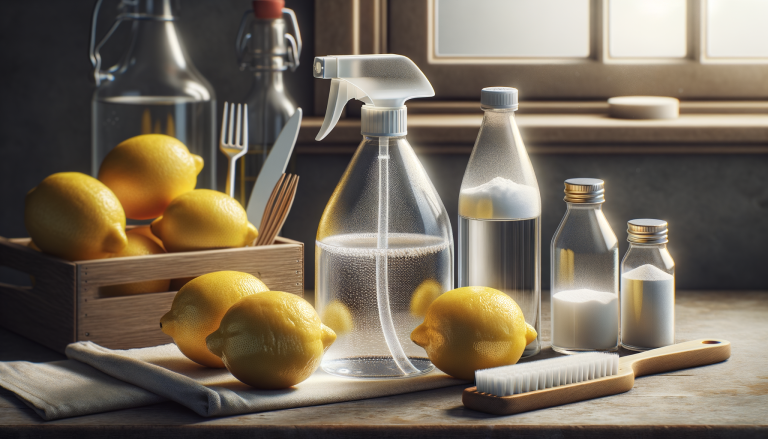
What You’ll Need
- White distilled vinegar
- Dish soap
- Spray bottle
- Microfiber cloth or non-scratch scrubbing pad
- Squeegee (for prevention)
How to Remove Soap Scum from Shower Doors
Method 1: Vinegar and Dish Soap Spray (best for regular buildup)
This combination works because vinegar’s acidity dissolves the mineral bonds in soap scum, while dish soap cuts through the fatty residue and helps the solution cling to vertical surfaces.
Step 1: Make the cleaning solution
Heat 1 cup of white vinegar in the microwave until warm (not boiling) — about 45 seconds. Pour it into a spray bottle and add 1 tablespoon of dish soap. Swirl gently to combine without creating excessive foam.
Step 2: Apply and let it dwell
Spray the solution generously over the entire shower door surface. Let it sit for at least 15–20 minutes without rinsing — this dwell time is critical. The vinegar needs time to chemically dissolve the soap scum rather than just loosening the surface layer.
Step 3: Scrub with the grain
Using a microfiber cloth or non-scratch pad, scrub in circular motions. You should feel the soap scum starting to release. For stubborn spots, apply more solution and scrub more firmly — the residue should come off without requiring excessive force if it’s had enough dwell time.
Step 4: Rinse thoroughly
Rinse the door completely with warm water, making sure all vinegar and soap residue is removed.
Step 5: Dry and buff
Dry the glass immediately with a clean microfiber cloth or squeegee. This prevents new water spots from forming and lets you see whether any soap scum remains.
Method 2: Baking Soda Paste (for heavy buildup)
For thick, neglected soap scum that the vinegar spray doesn’t fully dissolve, baking soda paste provides gentle abrasion to scrub away what the acid loosened.
Make a paste of baking soda and a small amount of dish soap. Apply it directly to the soap scum and scrub with a non-scratch pad. Rinse thoroughly. Follow with the vinegar spray if mineral deposits remain.
How to Remove Soap Scum from Tiles and Grout
Tiles respond to the same vinegar and dish soap spray. Apply, let it dwell, scrub with a grout brush for grout lines, and rinse.
Caution: Do not use vinegar on natural stone tiles (marble, granite, travertine). The acidity etches and damages stone. Use a pH-neutral stone cleaner for natural stone surfaces.
How to Remove Soap Scum from Chrome Fixtures
Chrome faucets and showerheads accumulate both soap scum and mineral deposits (limescale). For a combined clean, soak a cloth in undiluted white vinegar, wrap it around the fixture, and leave it for 30 minutes to an hour. Remove and wipe clean. Buff with a dry cloth to restore shine.
The Best Prevention: The Squeegee Habit
Soap scum can only form if soapy water is left to dry on surfaces. A squeegee kept in the shower, used for 30 seconds after every shower, removes the water before it can dry and deposit minerals. This single habit, done consistently, prevents soap scum from building up almost entirely.
Hang a squeegee on the shower wall within arm’s reach. The lower the friction, the more likely everyone in the household will actually use it.
Other Prevention Tips
- Switch from bar soap to liquid body wash — bar soap contains talc and fatty acids that create soap scum; liquid body wash is far less likely to leave residue
- Apply Rain-X to shower glass — the same product used on car windshields creates a hydrophobic coating that causes water to bead and run off shower doors rather than dry in place; reapply every few months
- Run the exhaust fan — reduces humidity and speeds up drying time on surfaces
- Weekly spray — a quick weekly spray of diluted vinegar on shower surfaces and a rinse takes 2 minutes and prevents heavy buildup from forming
Frequently Asked Questions
How long does it take to remove heavy soap scum?
For heavy buildup that’s been accumulating for months, expect to spend 20–30 minutes and possibly repeat the treatment. The vinegar needs adequate dwell time — rushing this step is why most cleaning attempts feel ineffective. Give it time to work.
Is soap scum the same as limescale?
They’re related but different. Soap scum is the reaction between soap and hard water minerals. Limescale is pure mineral deposit (calcium carbonate) left behind when hard water evaporates — it appears as white crusty buildup, particularly around faucets. Both are acidic, and vinegar treats both effectively.
Will a magic eraser (melamine foam) remove soap scum?
Yes — melamine foam is mildly abrasive and works well on soap scum from glass and tiles. However, don’t use it on chrome or polished metal surfaces, as it will scratch them. It’s also more effective combined with a cleaning solution rather than used dry.
My shower door has frosted permanently from soap scum — is it ruined?
Probably not. What looks like permanent frosting is usually very thick soap scum. Apply the vinegar and dish soap solution, let it dwell for 30 minutes instead of 20, and scrub firmly. You may need two or three sessions, but most “permanently frosted” shower doors come fully clear with persistent treatment.
Final Thoughts
Soap scum is a chemistry problem with a chemistry solution — vinegar’s acidity dissolves the bonds that make soap scum so persistent. Combined with the 30-second squeegee habit after each shower, you can keep glass doors permanently clear without heavy scrubbing sessions. The most effective cleaning routine is the one that prevents the buildup from getting serious in the first place.