
Songs about darkness and light traverse the emotional landscape of the human experience, encapsulating the stark contrasts between despair and hope, struggle and triumph. These themes are interwoven through melodies and lyrics, offering listeners not just entertainment, but solace, reflection, and a deep connection to the shared aspects of life. This article delves into the multifaceted ways artists express these polarities in music, examining the symbolism, genre influences, emotional spectrum, cultural impact, and personal revelations that come to light in songs about the luminous and the obscure.
Key Takeaways
- Songs about darkness and light symbolize the universal struggles and victories, using night and day as metaphors for deeper emotional narratives.
- Different music genres, from rock to EDM, offer distinct perspectives on the themes of darkness and light, each with unique emotional and auditory expressions.
- The emotional spectrum in music, influenced by instrumentation and dynamics, crafts an immersive experience that reflects the complexities of human emotions.
- Songs about darkness and light not only mirror societal and generational moods but also foster empathy and drive cultural conversations through their visual and lyrical storytelling.
- Artists often draw from personal experiences, using their songs as a medium for healing and connecting with listeners on a profound level.
Luminous Lyrics: Dissecting the Symbolism

The Night and Day of Struggle and Triumph
Ever noticed how a song can take you from the depths of despair to the peaks of joy in just a few minutes? That’s the magic of music, especially when it plays with the contrast of night and day, darkness and light. These themes are not just about the time of day; they’re about the human experience.
- The verses often paint a picture of the struggle, with lyrics that talk about being "drenched in the chaos of a mayday parade" or feeling like "nothing has changed" despite the turmoil.
- Then comes the chorus, a beacon of hope that shines through the darkness, symbolizing that moment of clarity we all seek.
It’s not just about the literal light at the end of the tunnel, but the inner light that guides us through our personal battles.
Songs like "In the Dark" resonate because they reflect our own lives—our battles, our resilience, and ultimately, our triumphs. They remind us that no matter how tough things get, there’s always a glimmer of light waiting to be found.
The Role of Imagery in Evoking Emotions
When it comes to stirring the soul, imagery in lyrics is like the painter’s palette, splashing emotions across the canvas of our minds. Artists craft vivid scenes with words, turning the abstract into something we can almost see and touch. Take the chaos of a "mayday parade" or the unsettling feeling when "the footing gives way"; these images are powerful enough to evoke a visceral response.
- The use of light and dark imagery can symbolize hope and despair.
- Metaphors involving light often represent enlightenment or revelation.
- Darkness can signify confusion, loss, or the unknown.
Through these lyrical landscapes, we’re not just hearing a melody; we’re embarking on an emotional journey. The right combination of words can make us feel the warmth of a sunrise or the chill of a shadow, without ever leaving our seats.
In the interplay of lyrics and music, the imagery becomes a bridge between the artist’s inner world and our own emotions. It’s a shared experience, where the listener is invited to find their own meaning in the play of light and dark.
Songs about light and dark are more than just tunes; they’re emotional experiences that resonate with the 54 Songs About Lights listed on Spinditty. Each song, from "The Night the Lights Went Out in Georgia" to "Light My Fire," is a testament to the power of imagery in music.
Understanding the Metaphors
Diving into the world of song lyrics, we often find ourselves swimming in a sea of metaphors. These aren’t just fancy phrases; they’re the keys to unlocking the deeper meaning behind the music. Take, for example, the way a city at night is depicted in U2’s All In The Light. The street lights and cigarette lights aren’t just part of the urban scenery; they’re symbols of loneliness and a yearning for freedom.
- The imagery of being "drenched in the chaos of a mayday parade" is a powerful metaphor for feeling overwhelmed and stuck in a rut.
- The cracked pavement and shaky footing in another song lyric suggest a loss of stability and control, painting a vivid picture of personal upheaval.
Metaphors in music are like secret passages to the artist’s mind. They invite us to explore and connect with the song on a deeper level.
Understanding these metaphors is like peeling back layers of an onion. Each layer reveals something new about the artist’s message and our own experiences. It’s not just about the words; it’s about the feelings and stories they evoke. So next time you hit play, listen a little closer. You might just find a piece of yourself in the poetry.
Genre Glow: Different Musical Takes on Light and Dark

Rock’s Raw Intensity vs. Folk’s Introspection
When it comes to songs about light and dark, rock and folk music couldn’t be more different. Rock often hits you with a wallop of raw intensity, like a lightning bolt to the senses. It’s all about the power chords, the pounding drums, and the visceral vocals that grab you by the collar and demand your attention.
- Bruce Springsteen’s "Darkness on the Edge of Town" is a prime example, with its gritty lyrics and driving riffs that embody a fight against the darkness.
- Pink Floyd’s "Shine On You Crazy Diamond" takes a more progressive rock approach, weaving a tapestry of sound that honors the light of creativity amidst personal darkness.
On the flip side, folk music invites you into a more reflective space. It’s like sitting by a fire, pondering life’s twists and turns. The acoustic strums and soulful lyrics encourage a deep dive into one’s own thoughts and feelings, often leading to a quiet but profound sense of understanding.
In the end, whether it’s the thunderous roar of rock or the gentle whisper of folk, both genres offer unique pathways to explore the themes of light and dark. Each resonates with listeners in different ways, but both can be equally illuminating.
The Grandeur of Orchestral Arrangements in Light Themes
When it comes to orchestral music, the layers of strings, brass, woodwinds, and percussion come together to create a soundscape that’s nothing short of majestic. The grandeur of these arrangements can elevate a simple melody to an epic anthem that resonates with the soul.
- The swell of violins may represent the first rays of dawn.
- A triumphant brass section often heralds the victory of light over darkness.
- Delicate woodwind solos can reflect the fragile nature of hope.
In the dance of light and shadow, it’s the orchestra that leads the waltz, guiding us through a journey of emotional peaks and valleys.
Each instrument plays its part in painting a vivid picture of light themes, from the subtle glimmer of a flute to the bold shine of trumpets. It’s a musical feast that can both inspire awe and provide comfort, as if the music itself is a source of light in the darkness.
EDM and Hip Hop: Beats Illuminating the Shadows
When the night falls and the world quiets down, EDM and Hip Hop artists crank up the volume, casting beams of rhythm and rhyme into the darkness. These genres are like the pulse of a neon light, flickering with energy and painting the night with vibrant soundscapes.
- EDM thrives on the build-up and drop, a dance between shadow and light that keeps the crowd jumping.
- Hip Hop lays down the truth with beats that resonate in the chest, lyrics that shine a spotlight on life’s gritty corners.
It’s not just about the party; it’s a journey from dusk till dawn, a soundtrack for the hustle and the triumph. The Weeknd’s "Blinding Lights" is a prime example, a track that pulses with the heart of the night yet feels like a burst of daylight.
In this sonic realm, every beat is a lighthouse guiding us through the emotional tides, and every verse is a flare, signaling our shared human experiences.
Sonic Shades: The Emotional Spectrum in Music
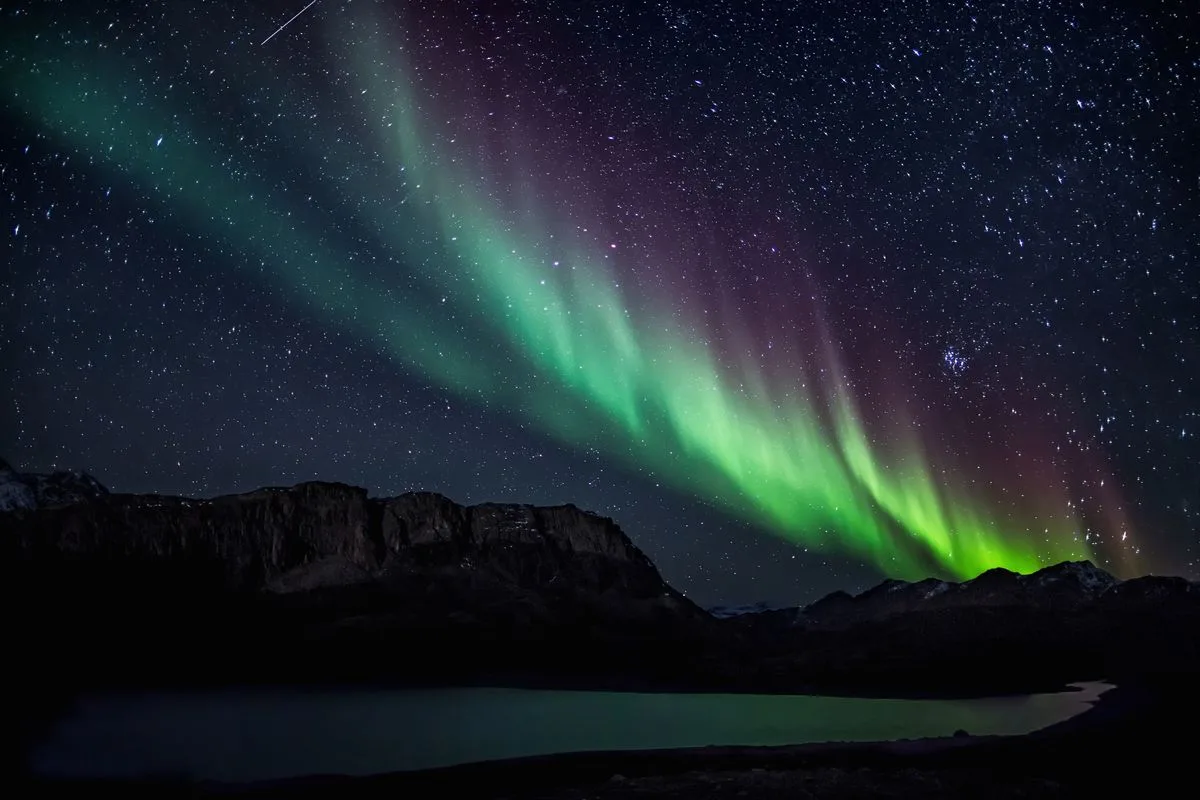
From Grief to Redemption: The Universal Resonance
It’s a journey we’ve all been on, whether we realize it or not. The path from grief to redemption is a universal one, winding through the valleys of our deepest sorrows to the peaks of our greatest joys. Music, with its uncanny ability to touch the soul, often serves as our guide on this voyage.
- The depths of despair in a melody can mirror our own heartache.
- Soulful vocals may echo the cries of our innermost being.
- Poignant lyrics can articulate the hope we struggle to voice ourselves.
In the tapestry of life, each thread of sadness is interwoven with strands of joy, creating a picture far richer and more complex than either alone.
Songs that encapsulate this spectrum of emotion don’t just resonate; they reverberate through our lives, reminding us that every moment of darkness is followed by light. They offer solace, a moment of introspection, and a reminder that the beauty of life lies in its complexity.
Instrumentation’s Role in Painting Sonic Colors
Ever wonder how a song can whisk you away to a sunlit beach or a moonlit road? It’s all in the instrumentation. Just like a painter uses a palette of colors to create a visual scene, musicians use instruments to paint an auditory landscape. Here’s how they do it:
- Strings often bring warmth and brightness, perfect for those songs that bask in the light.
- Synthesizers can create an otherworldly glow or a shadowy ambiance, depending on their settings.
- Percussion adds texture and depth, much like splashes of color on a canvas.
The right combination of instruments can evoke a spectrum of emotions, from the gentle caress of a breeze to the heart-pounding thrill of a storm.
And it’s not just about the type of instruments, but how they’re played. A softly strummed guitar can signify a tender moment, while a fiercely played electric guitar might signal a burst of energy or defiance. The notion that music can influence your thoughts, feelings, and behaviors is not just a poetic idea; it’s a crafted experience, where every note and every silence plays its part.
Dynamics: Crafting Tension and Release
Ever noticed how a song can feel like a rollercoaster ride? That’s the magic of dynamics at play. Artists skillfully manipulate volume and intensity to take us on an emotional journey, from the hushed whispers of doubt to the thunderous roars of triumph. Here’s how they do it:
- Starting with a soft, gentle melody that sets a reflective mood.
- Gradually building up to a powerful chorus that hits you right in the feels.
- Easing back into a calm verse, giving us a moment to catch our breath.
- Ending with an all-out finale that leaves us completely awestruck.
Dynamics aren’t just about loud and soft; they’re about the heartbeat of a song. They create a space where tension builds, holds, and then releases, echoing the very essence of human experience.
Songs about light and darkness are especially ripe for this kind of treatment. They use the contrast between the two to highlight the struggles and victories we all face. It’s like turning life’s volume knob up and down, each twist and turn reflecting our own personal highs and lows.
Cultural Reflections: How Darkness and Light Songs Shape Society
Songs as Mirrors of Generational Moods
Ever noticed how certain tunes just get you? They’re like snapshots of our collective psyche, capturing the essence of an era. Songs about light and darkness are no exception; they reflect the generational moods swinging between hope and despair.
- They tap into our shared emotions, from the joy of a sunny day to the gloom of a stormy night.
- They echo our societal shifts, like the transition from the rebellious rock of the ’60s to today’s introspective indie anthems.
- They mirror our personal journeys, resonating with the highs of love and the lows of heartbreak.
In the dance of light and shadow, these songs are the rhythm of our times, pulsing with the beats of change and continuity.
It’s not just about the music; it’s a cultural conversation. Each chord and lyric weaves into the fabric of our history, telling stories of where we’ve been and hinting at where we’re headed. So next time you hit play, remember: you’re tuning into the soundtrack of generations.
Inspiring Conversations and Empathy Through Music
Music has this uncanny ability to spark conversations that might never happen otherwise. It’s like a universal language that cuts through the noise, reaching into our souls and pulling out the stuff we’re all made of. When a song about the struggles between darkness and light hits the airwaves, it doesn’t just tell a story; it invites us to share our own.
- It’s a conversation starter, breaking the ice on tough topics.
- It’s an empathy generator, helping us feel what others feel.
- It’s a community builder, connecting us with people who ‘get it’.
Music doesn’t discriminate – it’s for the happy, the heartbroken, and everyone in between. It’s a shoulder to lean on when words fall short and a celebration when joy overflows.
Songs about the highs and lows of life remind us that we’re not alone in our journey. They encourage us to open up, to share our human spirit with others, and in doing so, we find common ground. It’s in these shared experiences that empathy blooms, and from there, real conversations can begin.
The Impact of Music Videos on Popular Culture
Ever wondered how those flashy, story-driven music videos affect us? Well, they’re more than just eye candy. Music videos have become a canvas for artists to paint their songs in vivid colors, turning tunes into full-blown narratives. Here’s the lowdown:
- Visual storytelling grabs our attention, making us see the song in a new light (pun intended).
- Symbolic imagery and atmospheric settings aren’t just cool effects; they’re emotional amplifiers.
- These videos often spark deeper conversations, bridging gaps between generations and cultures.
Music videos aren’t just a side dish to the main course of music; they’re a cultural force in their own right, shaping how we perceive and talk about the issues of our time.
From the era of MTV to today’s YouTube dominance, music videos have evolved, but their impact remains strong. They’re not just reflecting popular culture; they’re shaping it, one play button at a time.
Personal Illuminations: Artists’ Inner Worlds Cast in Song

Drawing Inspiration from Personal Struggles and Joys
Artists often mine the depths of their own lives to create music that touches the soul. It’s in the personal stories where we find the most potent lyrics, the kind that resonate with us because they’re real and raw.
- The journey of overcoming challenges is a common theme.
- Joy and sorrow intermingle, reflecting the human condition.
- Vulnerability in sharing personal battles can inspire courage in others.
The beauty of songwriting lies in its ability to transform personal anecdotes into universal truths. It’s not just about the struggles or the triumphs; it’s about the journey in between and the lessons learned along the way.
Songs like ‘Don’t Worry, Be Happy‘ by Bobby McFerrin serve as anthems that encapsulate this spirit. They remind us that amidst the complexities of life, there’s a shared experience that music can uniquely convey. Whether it’s the highs or the lows, these songs become a part of our own narrative, offering solace and understanding.
The Healing Power of Songwriting
There’s something almost magical about the way songwriting can serve as a balm for the soul. For many artists, the act of penning down lyrics is a deeply personal journey, one that allows them to sift through their emotions and find a sense of clarity. It’s not just about creating music; it’s about stitching together pieces of their heart and offering it up in the hope that it might resonate with someone else out there.
- Writing can aid in mental health improvement by promoting self-reflection, emotional release, and quality me-time, offering a therapeutic outlet for processing emotions and fostering self-awareness.
Sometimes, the most profound healing comes from the quiet moments we spend with our thoughts, turning them into melodies and verses that speak to our experiences.
And it’s not just the songwriters who find solace in this process. Listeners too, draw comfort from these musical narratives. They find pieces of their own stories within the lines, a sense of catharsis in the shared human experience. It’s a two-way street of healing, where the act of creation and the act of listening become intertwined in a dance of empathy and understanding.
Connecting with Listeners Through Shared Experiences
When an artist bares their soul through music, it creates a bridge to the listener’s heart. It’s a shared journey of highs and lows, where the personal becomes universal. Songs that stem from genuine experiences resonate deeply because they reflect the complexities of relationships and the human condition.
- The Scientist by Coldplay captures the essence of evolving relationships.
- Boulevard of Broken Dreams by Green Day echoes the solitude that often accompanies personal quests.
Music is a powerful conduit for empathy, allowing us to feel less alone in our struggles. It’s not just about the notes and the rhythms; it’s about the stories they tell and the emotions they stir.
Artists like Willie Nelson have shown us the power of vulnerability. By sharing their own battles with addiction, financial woes, or heartbreak, they invite us into their world. This act of openness is not just brave; it’s transformative, fostering a sense of solidarity and courage among fans.
Frequently Asked Questions
What are some common themes in songs about darkness and light?
Common themes in songs about darkness and light include despair, hope, resilience, love, and isolation.
Why do artists often explore the themes of darkness and light in their music?
Artists explore the themes of darkness and light to reflect the complexities of the human experience and offer listeners a sense of solace and introspection.
How do artists use symbolism in songs about darkness and light?
Artists use symbolism to evoke deeper meanings and emotions, such as using imagery of night and day to represent struggle and triumph.
What are some examples of songs that encapsulate the themes of darkness and light?
Examples include ‘Hurt’ by Johnny Cash, ‘Boulevard of Broken Dreams’ by Green Day, and ‘The Sound of Silence’ by Simon & Garfunkel.
How do different genres of music approach the themes of darkness and light?
Different genres approach these themes uniquely, from rock’s raw intensity to folk’s introspection and the grandeur of orchestral arrangements.
How do songs about darkness and light resonate with audiences?
These songs resonate by tapping into universal emotions and experiences, such as grief, longing, and redemption, offering empathy and reflection.