A machine that cleans your clothes shouldn’t need cleaning itself — except it absolutely does. Washing machines accumulate soap residue, mineral deposits, mildew, and bacteria over time, especially in front-loaders. If your clothes come out smelling musty even after washing, your machine is the culprit.
The good news: you can clean your washing machine thoroughly using white vinegar and baking soda — no commercial cleaning products needed. Here’s how to do it for both front-loaders and top-loaders.
Why Your Washing Machine Gets Dirty
Every wash cycle leaves behind trace amounts of detergent, fabric softener, and minerals from hard water. Over dozens of cycles, these build up into a film that coats the drum, hoses, and seals. This film traps moisture and becomes a breeding ground for mildew — the source of that distinctive musty smell.
Front-loading machines are particularly prone to mildew because the rubber door gasket stays damp after cycles. Top-loaders have less of a seal issue but still accumulate buildup in the drum and agitator.
What You’ll Need
- White distilled vinegar (2 cups)
- Baking soda (½ cup)
- Microfiber cloth or old toothbrush
- Warm water
Important: Never mix vinegar and baking soda in the same compartment at the same time — they neutralise each other. Use them in separate steps.
How to Clean a Front-Loading Washing Machine Naturally
Step 1: Clean the Door Gasket
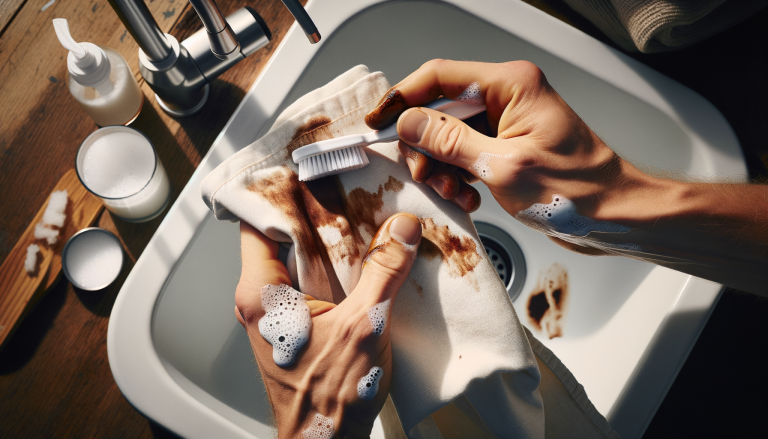
The rubber gasket around the door is where mildew hides. Pull back the folds of the gasket and wipe the entire surface with a cloth soaked in white vinegar. For stubborn mildew spots, scrub with an old toothbrush dipped in vinegar. This step alone often resolves the majority of the smell problem in front-loaders.
Step 2: Clean the Detergent Drawer
Remove the detergent drawer completely (most pull straight out with a small release button). Soak it in warm water with a splash of vinegar for 10–15 minutes, then scrub off any residue with a toothbrush. Rinse thoroughly and replace.
Step 3: Run a Hot Vinegar Cycle
Pour 2 cups of white vinegar directly into the drum (not the detergent drawer). Set the machine to the hottest, longest cycle available and run it empty. The vinegar dissolves mineral deposits and kills bacteria throughout the drum and internal components.
Step 4: Run a Baking Soda Cycle
Once the vinegar cycle finishes, sprinkle ½ cup of baking soda directly into the drum. Run another hot cycle. The baking soda deodorises and helps scrub away any remaining residue loosened by the vinegar.
Step 5: Wipe Down and Leave the Door Open
After the cycles, wipe down the drum interior, door glass, and gasket with a dry cloth. Leave the door ajar for several hours to allow the machine to dry out completely. This is the single best habit for preventing mildew from returning.
How to Clean a Top-Loading Washing Machine Naturally
Step 1: Fill and Add Vinegar
Set the machine to the largest load size, hottest water, and longest cycle. Let it fill completely with hot water, then add 4 cups of white vinegar. Pause the cycle and let the vinegar water soak for 1 hour.
Step 2: Scrub the Tub and Agitator
While the machine is soaking, dip a cloth in the vinegar water and scrub around the top rim of the tub, the agitator, and any dispensers. This is where residue and mildew accumulate most in top-loaders.
Step 3: Complete the Cycle
Let the cycle run to completion to drain and spin out the vinegar.
Step 4: Run a Baking Soda Cycle
Set up another full hot cycle, add ½ cup of baking soda, and run it through completely. This deodorises the machine and removes any vinegar smell.
Step 5: Wipe Down and Leave the Lid Open
Wipe the interior dry and leave the lid open between uses to let moisture escape.
How Often Should You Clean Your Washing Machine?
Once a month is ideal for front-loaders, especially if you wash at low temperatures frequently. Cold water cycles don’t kill bacteria and leave more residue behind than hot washes.
For top-loaders, every 2–3 months is generally sufficient unless you’re noticing odour sooner.
Habits That Prevent Buildup
- Leave the door or lid open after every wash to let the drum dry
- Use the correct amount of detergent — more soap doesn’t mean cleaner clothes; excess detergent is a leading cause of residue buildup
- Skip or limit fabric softener — it leaves a waxy film on drum surfaces and is a major contributor to odour
- Run a monthly hot cycle even with just vinegar — 15 minutes of maintenance prevents hours of deep cleaning
- Wipe the door gasket dry after each front-loader cycle
Frequently Asked Questions
Is vinegar safe for washing machines?
Yes — white distilled vinegar is safe for drum interiors, seals, and internal components. Some manufacturers advise against regular vinegar use on rubber seals over many years, but occasional use for cleaning purposes is widely accepted. If you’re concerned, check your machine’s manual.
My machine still smells after cleaning. What now?
Check the filter. Most front-loaders have a small debris filter at the bottom front (behind a small panel) that traps lint, coins, and debris. This filter can hold trapped water and become a serious source of odour. Clean it every few months.
Can I use apple cider vinegar instead of white vinegar?
White distilled vinegar is preferred — it’s colourless so it won’t stain, and it has a consistent acidity level. Apple cider vinegar works in a pinch but isn’t ideal for washing machine cleaning.
Do I need to use a commercial washing machine cleaner tablet?
Commercial tablets like Affresh work well, but vinegar and baking soda achieve the same result for a fraction of the cost. If your machine has heavy buildup from years of neglect, a commercial tablet as a one-time deep clean followed by natural monthly maintenance is a reasonable approach.
Final Thoughts
A clean washing machine is the foundation of actually clean laundry. If your clothes come out smelling less than fresh, the machine — not the detergent — is almost always the issue. The vinegar and baking soda method takes about 15 minutes of hands-on time and costs almost nothing. Do it once a month and you’ll never deal with that musty smell again.